
Most of us have walked into a shop expecting to find something ordinary, only to be met with a bare shelf and an apologetic sign. Food shortages, once a rarity in wealthy countries, have become a recurring feature of modern life. The reasons are rarely as simple as one bad harvest. Instead, several pressures tend to stack up at once. Here is an evidence-based look at what actually drives empty shelves, and why it keeps happening.
Extreme weather and climate change
The single biggest factor behind many shortages is weather. Crops depend on predictable growing conditions, and climate change is making conditions less predictable. Droughts, floods, heatwaves and unseasonal frosts can wipe out large portions of a harvest in a matter of days. When these events hit major growing regions, the effect ripples out across the world, because a surprising amount of any given crop often comes from just a handful of countries. A poor tomato or salad harvest in southern Europe or North Africa, for example, can quickly empty shelves far away.
Geopolitics and conflict
Food is a global business, and global events disrupt it. Conflict is a clear example: the war in Ukraine, a major exporter of grain, sunflower oil and fertiliser, disrupted supplies of all three and pushed up prices worldwide. Fertiliser matters more than people realise, because when it becomes scarce or expensive, farmers everywhere grow less, and the effect shows up in harvests months later. Trade disputes, export bans and sanctions can all reduce the flow of food across borders with little warning.
Energy and input costs
Modern food production is surprisingly energy-hungry. Fuel powers tractors and transport, gas is used to make fertiliser, and energy heats the greenhouses that grow much of our winter salad and veg. When energy prices spike, some of that production simply becomes uneconomic. Growers may plant less, heat fewer greenhouses, or in some cases stop producing certain crops altogether, all of which tightens supply.
Disease and pests
Outbreaks of plant and animal disease can remove huge volumes of food quickly. Avian influenza, for instance, has led to the culling of millions of birds and contributed to shortages and higher prices for eggs and poultry. Plant diseases and pests do the same for crops. Because much of our food supply relies on a small number of high-yield varieties grown in concentrated areas, a single disease can have an outsized impact.
Fragile, just-in-time supply chains
Even when food exists, getting it to the shelf can fail. Modern supply chains are built to be lean and efficient, with very little spare stock held in reserve. This keeps costs and waste down, but it leaves almost no cushion when something goes wrong. A shortage of lorry drivers, a blocked shipping route, a labour shortage at harvest time or a processing plant closure can all interrupt the flow. In the UK, factors such as labour availability for picking and packing have added to the strain in recent years.
Panic buying makes it worse
Finally, human behaviour amplifies shortages. When people see a gap on the shelf or hear that an item is running low, many buy extra to be safe. That surge in demand empties shelves faster than the supply chain can restock them, turning a minor wobble into a visible shortage. It is a reminder that not every empty shelf reflects a genuine lack of food somewhere in the system.
Building a little resilience at home
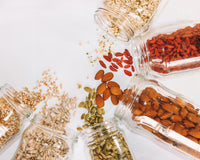
You cannot fix global supply chains from your kitchen, but a sensibly stocked cupboard adds a useful buffer against the ups and downs. Shelf-stable staples such as dried pulses, grains, oats, nuts and seeds keep for a long time, are versatile, and mean a gap in fresh supply need not disrupt your meals. Our Organic Jumbo Oats are a good example of an affordable, long-lasting staple worth keeping in, ready for porridge, baking and more whatever the shelves look like.
Empty shelves are rarely caused by one thing. They are usually the result of weather, geopolitics, energy costs, disease, fragile supply chains and human behaviour all pressing at once. Understanding those forces makes the occasional gap less alarming, and keeping a modest store of long-life staples is a simple, practical way to ride out the bumps.