
In the UK, we throw away approximately 4.8 million tonnes of edible food every year. One of the primary reasons for this staggering waste? A simple misunderstanding of the dates printed on our packaging.
At Whole Food Earth, we believe in the longevity and resilience of natural whole foods. Whether you’ve found a forgotten bag of red lentils at the back of the larder or a jar of coconut oil that’s a month past its date, it’s time to look at the science of food safety versus food quality.
The Great British Date Debate: 'Use By' vs. 'Best Before'
The first step in taking control of your kitchen is knowing that these two labels are not interchangeable.
1. Use By: The Safety Deadline
The 'Use By' date is about safety. It is usually found on highly perishable foods like fresh fish, meat, and salads. After this date, even if the food looks and smells fine, it could contain harmful levels of bacteria.
-
The Rule: Do not eat, cook, or freeze food after the 'Use By' date.
2. Best Before: The Quality Marker
The 'Best Before' date is about quality, not safety. It tells you how long the food will be at its peak flavour and texture. Once this date passes, the food is still perfectly safe to eat; it just might not be at its absolute "best."
-
The Rule: Use your senses. If it looks, smells, and tastes fine, it is safe to consume.
The Longevity of Whole Foods: Built to Last
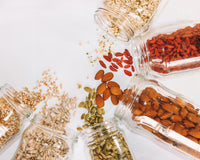
Many of the staples we provide at Whole Food Earth—grains, pulses, seeds, and dried fruits—are biologically designed to survive. If stored in the right conditions, their shelf life isn't just months; it can be years.
Why do some foods last so long?
The secret lies in Water Activityc. Bacteria, yeast, and mould need moisture to grow. Whole foods that are properly dried (like pasta, rice, and dried beans) have very low water activity, making it nearly impossible for pathogens to survive.
As long as you keep these items cool, dark, and airtight, they remain biologically stable long after the "Best Before" stamp has faded.

Which Foods Are Safe Past the Date?
Here are some common pantry staples that are frequently discarded too early:
-
Pasta, Noodles and Rice: If kept in an airtight container, white rice and dried pasta can last indefinitely. Wholemeal versions have a slightly shorter life due to natural oils, but they still last months past their date.
-
Pulses (Lentils, Chickpeas, Beans): Dried pulses may take slightly longer to soften during cooking as they age, but they remain safe and nutrient-dense for years.
-
Honey: Archaeologists have found edible honey in ancient Egyptian tombs. Honey is naturally acidic and low in moisture; it may crystallise, but it never "goes bad.
Hard Spices: Whole peppercorns, cinnamon sticks, and seeds will lose their aroma over time, but they remain safe to use.
Canned Goods: Most canned vegetables and beans are safe for years, provided the tin is not heavily dented (in some cansdented cans are perfectly fine), rusted, or swollen.
What the Authorities Say
You don't just have to take our word for it. Several major UK organisations are campaigning to help shoppers understand that "Best Before" is not a stop sign:
-
The Food Standards Agency (FSA): The FSA explicitly states that food with a 'Best Before' date is safe to eat after that date.
-
WRAP (Love Food Hate Waste): This leading sustainability charity works with UK supermarkets to remove "Best Before" dates from fruit and veg to prevent unnecessary waste.
-
Too Good To Go: Their "Look, Smell, Taste, Don't Waste" campaign has been vital in educating the public that our senses are often better judges than a printed date.
How to Maximise Your Food’s Shelf Life
To ensure your whole foods last as long as possible, follow the "Three Pillars of Preservation":
- Cool: Store food away from the oven or direct sunlight. Heat accelerates the oxidation of natural oils (especially in nuts and seeds).
- Dark: Light can degrade vitamins and cause certain foods to go rancid. Use cupboards or opaque containers
- Dry: Moisture is the enemy. Invest in glass jars with rubber seals to keep the British humidity at bay.
The Bottom Line
A "Best Before" date is a guide, not a rule. By understanding the science of shelf-life, you can reduce your environmental footprint, save money on your weekly shop, and appreciate the true endurance of nature’s harvest.
Ready to restock your sustainable pantry? Browse our range of long-life Organic Pulses, Grains, and Staples here.