
In our modern, high-speed world, we’ve grown accustomed to "on-demand" consistency. We expect every bag of nuts or dried fruit to look like the polished image on a website. But real whole foods don't grow in a vacuum—they grow in the wild, governed by the increasingly unpredictable rhythms of our planet.
When you notice a change in the size, shape, or texture of your favourite staples, you aren't just seeing a "different batch." You are seeing a direct reflection of the Earth's climate—from the gentle rains of spring to the devastating impact of natural disasters.
When Nature Steps In: The Impact of Extreme Weather
While seasonal changes are normal, the global increase in extreme weather events like floods and droughts has a profound effect on the whole foods we eat.
1. The resilience of drought-grown crops
In regions like the Mediterranean or California, prolonged droughts are becoming more common. When a tree lacks water, it prioritises survival.
-
The Result: The tree produces smaller fruits and nuts.
-
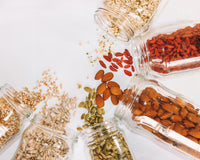
The Silver Lining: Because there is less water in the fruit, the natural flavours and oils are not diluted. Drought-grown almonds or raisins are often smaller and "wrinkled," but they frequently possess a much deeper, more concentrated nutritional profile and flavour.
2. The Aftermath of Floods
On the other end of the spectrum, unseasonal flooding can saturate the soil.
-
The Result: Plants may take up too much water too quickly, leading to "plump" produce that is softer in texture.
-
The Texture Shift: Excessive rain during the drying season for fruits like figs or apricots can prevent them from reaching that "syrupy" consistency, resulting in a batch that feels firmer or less "jammy" than usual.
Why "Imperfect" is a Sign of Integrity
In a "bad" harvest year—perhaps one plagued by late frosts or heavy storms—industrial food producers often reject large portions of the crop because they don't meet a strict visual "spec." These rejected items are often diverted into ultra-processed goods where they can be bleached, dyed, or ground down beyond recognition.
By embracing the natural variation of your whole foods, you are helping to:
-
Reduce Food Waste: Supporting farmers even when the "vintage" isn't aesthetically perfect.
-
Maintain Purity: We refuse to use chemical "polishing" or artificial softeners to hide the effects of a tough growing season.
-
Support Transparency: You get the honest truth of the harvest, delivered straight to your kitchen cupboard.
Real Food, Real Challenges
We believe that our customers in the UK value the truth over "fake" perfection. When a flood in a certain region affects a harvest, we could source "standardised" produce from a factory-farm elsewhere—but we choose to stick with the authentic, raw whole foods that reflect the reality of the environment.
Next time you open a bag and see a nut that is a little smaller, or a date that is a little firmer, remember that it is a survivor. It has weathered the elements—the droughts, the floods, and the changing seasons—to bring its nutrients to your table.
Nature isn't a factory, and we wouldn't want it any other way.
Tips for Shoppers:
-
Texture Check: If you find a batch of nuts is particularly "crunchy" due to a dry season, they make an incredible base for homemade nut butters.
-
Baking Hack: If a batch of fruit is firmer due to a wet harvest, try dicing them into your baking—they won't "disappear" into the dough, giving you a better texture in every bite.