
If you pick up a bag of Whole Food Earth Chickpeas and a "healthy" processed snack bar, both might claim to be high in fibre. On a nutritional spreadsheet, they might even look identical.
But inside your body, they behave like two completely different substances.
The UK is currently obsessed with "gut health," yet very few people understand the fundamental difference between Intrinsic Fibre (naturally rich) and Isolated Fibre (added). If you want to stop the bloating and start actually feeling the benefits of a high-fibre diet, you need to know the difference.
1. Naturally Rich: The "Package Deal"
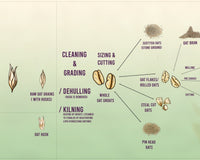
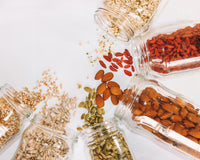
When a food is naturally rich in fibre—like lentils, chia seeds, or whole oats—the fibre is an "intrinsic" part of the plant's cellular structure.
-
The Science: This is known as the Food Matrix. The fibre isn't just floating around; it is physically woven into the plant's walls, alongside vitamins, minerals, and antioxidants.
-
The Benefit: Your body has to work to unlock these nutrients. This slow "unzipping" of the food matrix is what prevents blood sugar spikes and provides a steady stream of energy. It's "slow-release" fuel for your gut.
2. Added Fibre: The "Naked" Isolate
"Added fibre" is exactly what it sounds like. A factory has taken a highly refined product (like white flour) and stirred in a powder like inulin, polydextrose, or chicory root extract.
-
The Science: These are "isolated" fibres. They have been stripped away from their original plant matrix. They are "naked."
-
The Problem: Because they have no structure, your gut bacteria can ferment them almost instantly. This "flash-fermentation" is the #1 cause of the "fibre bloat" people experience with processed health foods. It's all the gas with none of the sustained energy.
| Feature | Naturally Rich (Whole Foods) | Added Fibre (Processed) |
| Structure | Intact "Food Matrix" | Isolated powder |
| Digestion | Slow and steady | Rapid fermentation |
| Blood Sugar | Stable (Low Glycaemic) | Often causes spikes |
| Side Effects | Gentle on the stomach | Often causes bloating/gas |
| Nutrients | Packed with natural minerals | Usually "empty" or synthetic |
What This Means at Mealtimes
The practical upshot is that where your fibre comes from matters as much as how many grams you eat. A bowl of lentils and a "high-fibre" snack bar can show the same number on the label and leave your body in completely different places: one feeding your gut bacteria slowly and keeping you full, the other fermenting in a rush and leaving you bloated an hour later.
How to choose the best products
The front of the packet is marketing. The back of the packet is the truth.
-
Look for the "Identity": If the fibre comes from the main ingredient (e.g., Red Kidney Beans), it's naturally rich.
-
Spot the "Add-ins": If you see Chicory Root, Inulin, or Maize Fibre tucked away in a list of 20 ingredients, you're buying a "powdered" health claim.
You can't shortcut your way to a healthy gut. Your biology evolved to process the complex, rugged structures of real plants—not industrial powders stirred into processed snacks.
When you choose Whole Food Earth, you aren't just buying "fibre." You're buying the whole matrix—the way nature intended.
Shop our range of Naturally Fibre Rich Staples – Real Food at the Best Price