
Debout dans les rayons du supermarché, face à deux versions du même fruit et à un écart de prix notable, la plupart d'entre nous se sont posé la même question. L'agriculture biologique en vaut-elle vraiment la peine ? La réponse honnête est que cela dépend de l'aliment. Pour certains produits, le label biologique fait une réelle différence, tandis que pour d'autres, le bénéfice est moindre. Savoir ce qui est quoi vous aide à faire vos courses en toute confiance et à dépenser votre argent là où cela compte le plus.
Voici un guide pratique pour savoir où le choix du bio compte vraiment, et où vous pouvez vous détendre un peu.
Ce que signifie vraiment le bio
Les aliments biologiques sont cultivés et produits selon un ensemble de normes certifiées. En pratique, cela signifie une agriculture sans pesticides et engrais synthétiques, sans ingrédients génétiquement modifiés, et des règles plus strictes concernant les additifs. L'élevage biologique est élevé selon des normes de bien-être animal plus élevées, avec plus d'espace et sans utilisation systématique d'antibiotiques.
Choisir le bio ne concerne pas seulement ce qui se retrouve dans votre assiette. Beaucoup de gens l'achètent aussi pour les avantages plus larges, car l'agriculture biologique a tendance à favoriser des sols plus sains, une eau plus propre et plus de faune, y compris les abeilles et autres pollinisateurs dont dépend notre alimentation.
Les produits pour lesquels le bio compte le plus
En ce qui concerne les fruits et légumes, la plus grande différence est le résidu de pesticides. Certaines cultures sont beaucoup plus susceptibles de contenir des résidus que d'autres, généralement parce qu'elles ont des peaux fines et comestibles qui ne peuvent pas être pelées.
Les fruits rouges sont en tête de liste. Les fraises, raisins, pommes, poires, cerises et pêches ont tendance à contenir plus de résidus, donc l'achat de ces produits biologiques fait une différence significative. Les légumes verts à feuilles tels que les épinards, le chou frisé et la laitue valent également la peine d'être choisis biologiques, ainsi que les tomates, le céleri et les poivrons. Ce sont les aliments pour lesquels la version biologique a sa place dans votre panier.
La même logique s'applique aux fruits secs. Les raisins deviennent des raisins secs et des sultanines, donc si vous en mangez souvent ou si vous les utilisez régulièrement pour la pâtisserie, la version biologique est un choix judicieux. Nos Raisins Secs Biologiques sont un échange simple au quotidien qui vous permet de profiter d'un aliment de base cultivé selon les normes biologiques.
Où vous pouvez vous inquiéter moins
Tous les aliments n'ont pas besoin d'être biologiques, et il n'y a aucune raison de se sentir coupable d'avoir un panier mixte. Les fruits et légumes à peau épaisse ou à couches protectrices extérieures que vous retirez avant de manger ont tendance à contenir beaucoup moins de résidus. Les bananes, avocats, oignons, maïs doux, ananas et agrumes entrent tous dans ce groupe, car la partie que vous jetez emporte la plupart des résidus avec elle.
Si votre budget est serré, c'est le moyen le plus simple de faire des économies. Achetez ces articles de manière conventionnelle et utilisez l'argent économisé pour acheter des versions biologiques des aliments à peau fine où cela fait une plus grande différence.
Les produits de base à acheter bio
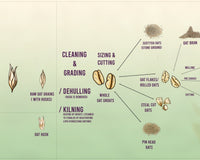
Il n'y a pas que les produits frais qui bénéficient du label biologique. Les aliments que vous mangez en grande quantité, jour après jour, méritent également d'être pris en considération. Les céréales et l'avoine en sont un bon exemple, car elles constituent la base de tant de repas. Nos Flocons d'Avoine Jumbo Biologiques sont un aliment de base réconfortant et polyvalent qui convient au porridge, au granola, aux flapjacks et à la pâtisserie, cultivés sans pesticides synthétiques.
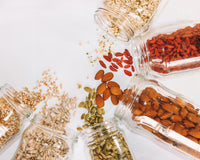
D'autres produits d'épicerie populairement biologiques comprennent le café, le thé, les légumineuses, les noix et les fruits secs. Comme ce sont des choses que de nombreux foyers achètent encore et encore, choisir des versions biologiques est un moyen facile de faire passer une plus grande partie de vos achats réguliers vers des aliments cultivés avec soin pour le sol et la faune environnante.
Une façon simple de faire des achats plus intelligents
Vous n'avez pas besoin d'acheter tout bio pour bien faire vos courses. L'astuce est de se concentrer sur les aliments où cela compte le plus, les fruits et légumes à peau fine et les produits de base que vous mangez en quantité, et de se détendre sur ceux qui ont une peau protectrice que vous pelez.
Quelques échanges réfléchis font beaucoup. Choisissez le bio là où cela compte, économisez là où ce n'est pas le cas, et vous obtenez le meilleur des deux mondes : un meilleur rapport qualité-prix et un panier qui fait un peu plus de bien à chaque achat.