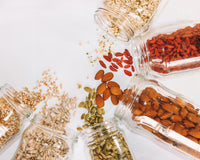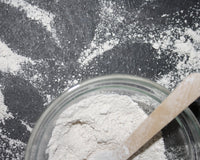

La teneur élevée en protéines est passée du sac de sport au menu. Les clients veulent des protéines dans leurs muffins, leurs flocons d'avoine du matin, leurs barres à emporter, et ils en veulent sans produits laitiers. Si vous dirigez une boulangerie, un café ou une ligne de production alimentaire, une bonne poudre de protéines végétales est un moyen simple d'y parvenir sans remanier tout votre livre de recettes. Voici cinq poudres biologiques à ingrédient unique, ce que chacune fait dans de vrais aliments et comment les acheter en vrac.
Ce qu'il faut rechercher dans une protéine de cuisson
Trois choses sont importantes une fois que vous commencez à cuisiner avec de la poudre de protéines plutôt que de simplement la secouer dans de l'eau. La densité vous indique la quantité de protéines réelles que vous ajoutez par gramme, ce qui est important lorsque vous faites une allégation nutritionnelle sur une étiquette. La saveur décide si la poudre disparaît dans la recette ou la domine. Et le comportement dans le bol est le plus important de tous, car la poudre de protéines absorbe le liquide et change de texture, de sorte que vous la substituez généralement à une partie de la farine plutôt que de l'ajouter en plus.
Un bon point de départ est de remplacer 10 à 20 % de la farine en poids, puis d'ajouter un peu de liquide ou de matière grasse supplémentaire pour garder la mie moelleuse. Testez, goûtez, ajustez.
1. Protéine de pois biologique, 85 %
Le cheval de bataille de la production alimentaire. Avec 85 % de protéines, elle vous permet de faire une allégation nutritionnelle forte avec la plus petite quantité de poudre, et sa saveur neutre, légèrement terreuse, se marie à des formules aussi bien sucrées que salées. C'est la base naturelle pour les pains, les barres à haute teneur en protéines et même les substituts de viande à base de plantes. Comme elle est très concentrée, allez-y doucement sur le taux de substitution et surveillez votre hydratation, car elle desséchera un mélange plus rapidement que les protéines de graines moins denses.
2. Protéine de riz biologique, 80 %
Lisse, fine et légèrement sucrée, la protéine de riz brun a une texture douce qui convient aux pâtisseries plus légères et fruitées et fonctionne bien dans les smoothies de café et les flocons d'avoine du lendemain. Seule, elle est un peu faible en lysine, mais associée à la protéine de pois, elle offre un profil complet d'acides aminés, ce qui est l'astuce pour les produits végétaliens qui doivent être nutritionnellement équilibrés. Facile à digérer, ce qui est un argument de vente à mettre au menu.
3. Protéine de graines de citrouille biologique, 60 %
Celle-ci apporte du caractère. Moulue à froid à partir de graines de citrouille, elle a une saveur profonde et noisettée qui brille dans les produits plus foncés et plus riches, pensez aux pains aux graines, aux muffins salés, aux pâtisseries au chocolat ou à la banane, et aux boules d'énergie. Elle contient également du fer, du magnésium et du zinc naturels, ce qui ajoute une véritable profondeur nutritionnelle dont vous pouvez parler, pas seulement un chiffre de protéines.
4. Protéine de graines de chanvre biologique, 50 %
Une protéine complète en un seul ingrédient, avec les neuf acides aminés essentiels, ainsi que des fibres et des oméga-3 et oméga-6 d'origine végétale. Le goût terreux et de noisette est parfait pour les gammes rustiques et saines, les pains complets, les flapjacks, les pâtisseries à l'avoine. Moins dense que les isolats, c'est davantage un ajout d'aliment complet qu'un apport pur de protéines, ce qui convient à un positionnement artisanal ou de petite production.
5. Protéine de graines de tournesol biologique, 50 %
Le passe-partout hypoallergénique. Exempt de noix, de soja, de produits laitiers et de gluten, c'est le choix sûr pour les écoles, les crèches et tout établissement accueillant des personnes allergiques. La saveur douce et neutre se marie à presque tout, des pains et des flapjacks aux barres protéinées, ce qui en fait la poudre la plus flexible pour un menu varié.
L'astuce du formulateur : pois et riz
La protéine de pois est riche en lysine mais plus faible en méthionine. La protéine de riz brun, c'est l'inverse. En les combinant, environ deux parts de pois pour une part de riz, on obtient un profil d'acides aminés complet comparable à celui du lactosérum. Pour tout produit végétalien où vous souhaitez revendiquer une protéine de qualité, ce mélange est la réponse standard de l'industrie.
Idées de menus et de produits
Pour les cafés : flocons d'avoine et porridges enrichis en protéines pour le lendemain, smoothies et shakes, boules d'énergie et bouchées protéinées près de la caisse, et un muffin ou un pain à la banane plus riche en protéines dans la vitrine. Pour les boulangeries : pains aux graines protéinés, flapjacks, biscuits et barres protéinées. Pour les producteurs : formulations de snacks riches en protéines, produits pour le petit-déjeuner et substituts de viande à base de plantes où la protéine de pois fait le gros du travail.
Acheter en vrac
Les cinq sont disponibles en sachets de 250 g pour les tests de recettes jusqu'aux sacs en vrac pour la production, afin que vous puissiez essayer un produit avant de vous engager sur de gros volumes. Tarifs en vrac à titre indicatif : Protéines de pois et de riz en sacs de 20 kg d'environ 305 £ à 317 £, et Citrouille, Chanvre et Tournesol en sacs de 25 kg d'environ 359 £ à 415 £. Cela représente un faible coût par gramme de protéines, en particulier pour les options de pois et de riz à haute densité. Contactez-nous pour les demandes commerciales et de gros.
Que vous recherchiez un maximum de protéines avec un goût neutre (pois), une texture douce pour les pâtisseries légères (riz), un apport minéral de noisette (citrouille), une protéine complète d'aliment entier (chanvre) ou un passe-partout sans allergènes (tournesol), il existe ici une poudre pour élaborer un menu. Les cinq sont certifiées biologiques et à ingrédient unique, ce qui garde votre propre liste d'ingrédients propre et votre histoire simple.
Toujours tester les recettes à grande échelle et vérifier les spécifications et les informations sur les allergènes de chaque produit avant de l'utiliser dans la production commerciale.