
There is a reason so many of us remember our grandmothers' cooking so fondly. It was not fancy, and it rarely followed a written recipe, but it was made with care from real ingredients, and it stretched a modest budget a very long way. Cooking grandma style is less about any particular dish and more about a way of thinking. The good news is that anyone can learn it, and it makes eating whole food easy, cheap and genuinely enjoyable. Here is how to bring that old kitchen wisdom back.
Start with a well-stocked storecupboard
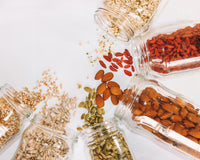
Grandmother's cooking began not with a shopping list for a single recipe, but with a cupboard of dependable staples she could turn into almost anything. That is the foundation to recreate. Keep flour, oats, rice, dried pulses, tinned tomatoes, onions, eggs, a few spices, and some dried fruit, and you are never more than a few steps from a proper meal.
These staples are cheap, they keep for months, and they are the building blocks of real food. A bag of oats, a shelf of pulses and beans, and some dried fruit for baking will take you a remarkably long way.
Cook from scratch, and keep it simple
The heart of grandma-style cooking is making things yourself from raw ingredients. This sounds harder than it is. Most traditional home cooking is simple by design: a pot of soup, a stew left to tick away on the hob, a tray of roasted vegetables, a crumble thrown together from fruit and a rubbed-in topping. None of it requires skill or special equipment, just a pan, an oven and a little patience.
Start with one or two dishes and cook them until they feel like second nature. A good vegetable and lentil soup, a simple stew, a basic loaf or a fruit crumble are all you need to begin. Once a few dishes are in your hands, you stop needing recipes at all, which is exactly how your grandmother cooked.
Waste nothing
Older generations cooked through leaner times, and wasting food was unthinkable. That habit is worth reviving, because it saves money and teaches you to cook. Vegetable peelings and a chicken carcass become stock. Stale bread becomes breadcrumbs, bread pudding or the base of a soup. Yesterday's leftovers become today's lunch, or the filling for a pie. Cooking with an eye to using everything up is one of the most satisfying and economical habits you can build.
Cook with the seasons
Grandmother cooked what was available and what was cheap, which usually meant what was in season. Seasonal produce is fresher, tastes better and costs less, because it is plentiful. Root vegetables in winter, greens and berries in summer, apples in autumn. Letting the season guide your cooking brings variety naturally through the year and keeps the shopping bill down, without any need to plan.
Make one big pot
The one-pot meal was a cornerstone of traditional kitchens for good reason. Stews, soups, casseroles, curries and dals can all be made in a single large pan, feed a family cheaply, and often taste even better the next day. Batch cooking like this saves time, money and washing up. Make a big pot at the weekend, eat some, and keep the rest in the fridge or freezer for busy evenings when you might otherwise reach for something processed.
Bake your own
There is nothing quite like the smell of home baking, and it is far easier and cheaper than most people assume. A simple loaf of bread needs only flour, water, salt and yeast. Flapjacks, scones, fruit cakes and biscuits are forgiving and quick. Baking your own means you know exactly what is in it, with none of the emulsifiers and preservatives found in shop-bought equivalents. It is grandma-style cooking at its most rewarding.
Preserve
When there was an oversupply of fruit or vegetables, nothing went to waste. Jam, marmalade, chutney and pickles were how our grandparents captured a summer harvest to enjoy through the winter. Making a batch of jam or a jar of chutney is a lovely, old-fashioned skill that is easier than it looks, and it turns a cheap seasonal surplus into something you will enjoy for months.
A gentle way to begin
You do not need to master all of this at once. Cooking grandma style grows one dish and one habit at a time, exactly as it always did. Pick a soup or a stew, learn it properly, and build from there. Before long, you will find yourself cooking without recipes, wasting almost nothing, and filling most of your plate with real, honest food.
This is the spirit of the Whole Plate, our movement to bring real cooking back to British kitchens. If you would like a nudge to get started, our free 30-day Whole Plate Pledge shares one simple swap, idea or recipe a day, the kind of everyday cooking your grandmother would recognise in an instant.