
One of the biggest myths about eating well is that real food is a luxury. It is easy to believe when a shiny "healthy" ready meal costs more than a takeaway, and when the cheapest calories in the shop are usually the most processed. But the truth is that some of the most nourishing whole foods are also among the cheapest things you can buy. Eating whole on a budget is not only possible, it can genuinely cost less than living on ultra-processed food. Here is how to do it.
The cheapest foods are often the wholest
Start with a reassuring fact. Pound for pound, the best value foods in any shop tend to be simple, unprocessed staples. Oats, rice, dried beans, lentils, chickpeas and other pulses cost very little, keep for a long time, and are full of fibre, protein and slow-release energy. Plant proteins like beans and lentils are far cheaper than meat, so building more meals around them is one of the fastest ways to bring your food bill down while eating better.
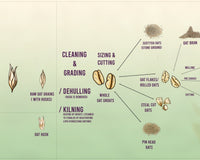
A bag of Organic Jumbo Oats makes weeks of breakfasts for pennies a bowl. A cupboard of pulses and beans turns into soups, stews, dals and curries that cost a fraction of a ready meal. Grains like millet and rice stretch any meal further. These are the foundations of a whole plate, and they are cheap by nature.
Cook from scratch, and let leftovers work for you
The single habit that saves the most money is cooking simple food from raw ingredients. Processed and ready-made products almost always cost more per portion than making the same thing yourself, because you are paying for the manufacturing, packaging and marketing as well as the food. You do not need to be a skilled cook. A pot of lentil soup, a tray of roasted vegetables, a big batch of chilli or dal, these are cheap, forgiving and easy.
Batch cooking multiplies the saving. Make a large pot, eat some now, and freeze or fridge the rest for meals later in the week. Using up what you have and wasting less is money straight back in your pocket, since food thrown away is money thrown away.
Buy in bulk, and pay by weight
Once you are cooking around a handful of staples, buying them in bigger quantities is the obvious next saving. Larger bags almost always work out cheaper per kilogram than small packs, because you are paying for less packaging per portion. The trick is to compare the price per kilo, not the price on the front of the pack, since that is where the real difference shows.
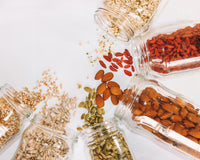
Store bulk buys sensibly and they last: keep everything in airtight containers somewhere cool and dark, pop oily foods like nuts and seeds in the freezer, and decant a big bag into smaller amounts so nothing is wasted. A well-stocked cupboard of bulk staples is the backbone of affordable whole eating.
Join the WFE Club and pay our lowest prices
Here is where the savings really stack up. The easiest way to get cheaper whole foods with us is to join the Whole Food Earth Club. It is completely free, with no membership fee and no subscription, and it unlocks lower, member-only prices across our whole range. You simply create a free account, log in, and the member prices appear as you shop.
The Club is how we pass those true, direct prices on to our members. Combine free Club pricing with buying your staples in bulk, and you save twice over on exactly the foods that should fill most of your plate.
What a cheap whole plate looks like
Put it together and the meals almost design themselves. Porridge with a handful of seeds and some frozen or dried fruit for breakfast. A lentil or bean soup with wholemeal bread for lunch. A vegetable and chickpea curry over rice, or a big tray bake of roasted roots and grains, for dinner. Snacks of oats, nuts and dried fruit rather than packets. None of it is expensive, all of it is real food, and it leaves the ultra-processed aisle behind without leaving you hungry or out of pocket.
Eating whole on a budget is really the heart of the Whole Plate idea: most of your plate, most of the time, made of food that was grown rather than manufactured. It does not take a bigger budget, just a shift towards simple staples, a bit of cooking, and prices that are actually fair. If you would like a gentle way to start, our free 30-day Whole Plate Pledge sends one small swap or idea a day, and most of them will save you money as well as help you eat better.