
Ultra-processed food is everywhere in the headlines, and plenty of us have decided we would like to eat less of it. There is just one problem: when it comes to actually pointing at a product and saying whether it counts, most people are stumped. A recent UK study put this into sharp focus, and the findings are surprisingly reassuring. If you are not quite sure what ultra-processed food really is, you are in very good company, and there is a simple way to cut through the confusion.
What the study found
Researchers writing in the journal BMC Global and Public Health interviewed 30 UK adults who do the food shopping and cooking for their households. Almost everyone saw ultra-processed foods, or UPFs, as artificial and probably unhealthy. Yet when asked to sort real foods into categories, they struggled. The technical system used to define UPFs made little sense to them, and the line between an ordinary processed food and an ultra-processed one felt blurry and hard to pin down.
This fits a wider pattern. Earlier research has found that while around 73 percent of UK adults recognise the term ultra-processed food, only about 13 percent can correctly identify which products actually fall into the category. That is a striking gap, especially now that ultra-processed foods make up more than half of the average person's daily calories in the UK.
Why it is so confusing
Part of the trouble is that the official definition was designed for scientists, not shoppers. It sorts food by how much it has been industrially processed and reformulated, which is useful for researchers but hard to apply in a supermarket aisle. The obvious culprits are easy enough. Most people happily identify fizzy drinks, crisps and packaged biscuits as ultra-processed. It is the borderline cases that trip everyone up. In the study, foods like yogurt and plant-based meat alternatives caused real head-scratching, because they can be simple or heavily reformulated depending on the brand.
Clever marketing does not help either. A product can be covered in words like natural, high protein or plant-based and still be ultra-processed. Labels are designed to sell, not to help you classify what you are buying.
A simple test that actually works
Here is the good news. You do not need to memorise a scientific system to eat well. Interestingly, the people in the study had already hit on a sensible shortcut of their own: they looked at the ingredients list. That instinct is a genuinely useful tool, and you can lean on it too.
Turn the packet over and read the ingredients. Ask yourself two simple questions. First, is the list long? Second, is it full of things you would never find in a home kitchen? Ingredients like emulsifiers, stabilisers, artificial flavourings, colourings, sweeteners, protein isolates and hydrogenated or interesterified fats are all signs of heavy industrial processing. If a product reads like a chemistry set, it is very likely ultra-processed. If it reads like a recipe you could recreate at home, from a handful of recognisable ingredients, it is almost certainly not.
This is not a perfect scientific test, but it is a practical one that gets you most of the way there, and it works far better than trying to guess from the front of the pack.
What clearly is, and clearly isn't
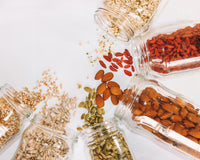
To make it concrete, foods that are almost always ultra-processed include fizzy and energy drinks, mass-produced sliced bread, packaged cakes, biscuits and crisps, sweetened breakfast cereals, instant noodles and most ready meals. At the other end sit whole and minimally processed foods: plain oats, dried beans and lentils, nuts and seeds, plain natural yogurt, tinned tomatoes, fresh fruit and vegetables, and simple storecupboard staples. Something like a bag of Organic Jumbo Oats, with one ingredient on the label, is about as far from ultra-processed as food gets.
Knowing is only half the battle
The study made one more important point worth being honest about. Even people who could spot ultra-processed food did not always avoid it, and the reasons were completely understandable: cost, convenience, taste and family habits. The researchers concluded that awareness alone is unlikely to change much if healthier, less processed options remain more expensive or harder to reach. In other words, this is not simply a matter of willpower or ignorance.
That is exactly why building meals around affordable whole-food staples matters so much. Basics like oats, pulses, rice, nuts and seeds are cheap, filling and about as minimally processed as it gets, especially when bought in larger, better-value quantities. Making those the foundation of your shopping is one of the most practical ways to eat less ultra-processed food without spending more.
So if you have felt confused about what counts as ultra-processed, you are far from alone, and you do not need a science degree to make good choices. Read the ingredients, favour short and recognisable lists, and build your meals around simple whole foods you could imagine cooking from scratch. That single habit will do more than any amount of memorising ever could.
This article is for general information and is not medical or dietary advice. If you have specific health concerns, it is worth speaking to a doctor or registered dietitian.