
Carob has quietly been a favourite in health food shops for decades, often described as a natural alternative to chocolate. But what exactly is it, how does it compare to cocoa, and is it any good? If you have spotted carob powder on the shelf and wondered whether it is worth a try, here is a complete, honest guide to this naturally sweet ingredient.
What is carob?
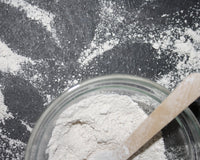
Carob comes from the pod of the carob tree, an evergreen native to the Mediterranean. The long, leathery pods are dried, roasted and ground into a fine powder that looks a little like cocoa. Carob has been eaten for thousands of years around the Mediterranean and Middle East, both as a food and as a natural sweetener. The powder has a warm, malty, naturally sweet flavour with caramel notes, which is why it is so often compared to chocolate.
How is carob different from cocoa?
Although carob and cocoa look similar and are used in similar ways, they are quite different. The most important distinction is that carob is naturally sweet, whereas cocoa is naturally bitter, so recipes using carob often need less added sugar. Carob is also naturally free from caffeine and theobromine, the stimulant compounds found in chocolate, which makes it popular with people who are sensitive to caffeine or who want something to enjoy in the evening. Carob is lower in fat than cocoa too, and it brings its own fibre.
The honest caveat is that carob does not taste exactly like chocolate. It is delicious in its own right, but it has a distinct malty, fruity character, so it is best appreciated as its own ingredient rather than expected to be an identical swap for cocoa.
Is carob good for you?
Carob has some genuinely appealing qualities. It is a source of fibre, contains various minerals, and is naturally caffeine-free, which sets it apart from chocolate. Because it is naturally sweet, it can help you cut back on added sugar in baking and drinks. That said, it is best thought of as a wholesome, enjoyable ingredient rather than a superfood or a health cure. As with anything, the benefits come from using it as part of a varied, balanced diet.
How to use carob powder
Carob powder is wonderfully versatile and can be used much like cocoa. Stir it into warm milk or a plant-based alternative for a naturally sweet, caffeine-free hot drink, a lovely bedtime option. Add it to smoothies, porridge and yoghurt for a mellow, chocolatey sweetness. In baking, use it in cakes, brownies, biscuits, flapjacks and energy balls, remembering to reduce the sugar a little because carob is already sweet. It also works beautifully alongside ingredients like banana, dates, orange and nut butter. Our Organic Carob Powder has no added sugar and is an easy way to start experimenting.
Can you swap carob for cocoa in recipes?
Yes, with a couple of tweaks. As a rough guide, carob powder can replace cocoa powder in roughly equal amounts, but because carob is sweeter and less bitter, it is worth cutting back on the sugar in the recipe and tasting as you go. The flavour will be gentler and maltier rather than deep and bitter, so it suits recipes where you want a softer, sweeter result. It is well worth a little experimentation to find the balance you like.
Who might especially enjoy carob?
Carob is a natural fit for several people. Anyone avoiding caffeine, including those cutting back in the evenings, will appreciate that it has none. It is naturally vegan and suits plant-based diets. And because it is sweet and mellow, it is often popular with children and with anyone who finds dark chocolate too bitter. It is also a useful cupboard ingredient for lower-sugar baking.
A versatile & healthy ingredient
Carob is a naturally sweet, caffeine-free, fibre-rich powder made from Mediterranean carob pods, and it deserves a place on the shelf in its own right. It is not a perfect chocolate impersonator, but as a wholesome, versatile ingredient for drinks, baking and snacks, it has plenty to offer. Give it a try, adjust the sugar to suit its natural sweetness, and enjoy carob for exactly what it is.