
Eine umfassende Untersuchung, die Ende 2025 veröffentlicht wurde, rückte hochverarbeitete Lebensmittel wieder in die Schlagzeilen. Eine Reihe von Artikeln in The Lancet, die sich auf mehr als hundert Langzeitstudien stützten, kam zu dem Schluss, dass ein hoher Konsum von hochverarbeiteten Lebensmitteln mit Schäden an allen wichtigen Organsystemen des Körpers verbunden ist. Einer der Forscher nannte es eine "erschütternde" Bedrohung für die öffentliche Gesundheit. Hier ist, was die Studie herausfand, was sie beweist und was nicht, und was sie für Ihre Ernährung bedeutet.
Zunächst: Was gilt als hochverarbeitet?
Nicht jede Verarbeitung ist schlecht. Gemüse einfrieren, Mehl mahlen, Obst trocknen – auch das sind Verarbeitungen, und sie sind unbedenklich. Hochverarbeitete Lebensmittel sind eine spezielle Kategorie: industriell hergestellte Produkte, die hauptsächlich aus Substanzen bestehen, die man in einer Haushaltsküche nicht finden würde, wie Proteinisolate, modifizierte Stärken, Emulgatoren, künstliche Süßstoffe, Farbstoffe und Aromen. Denken Sie an verpackte Snacks und Chips, Limonaden, die meisten Frühstückscerealien, Fertiggerichte, massenproduziertes Brot und viele „Diät“- und Proteinriegel. Das verräterische Zeichen ist oft eine lange Zutatenliste voller Namen, die Sie nicht kennen.
Das ist wichtig, denn hochverarbeitete Lebensmittel machen heute den Großteil dessen aus, was viele von uns essen. Sowohl im Vereinigten Königreich als auch in den USA stammen mehr als die Hälfte der täglichen Kalorien einer Durchschnittsperson daraus.
Was die Studie tatsächlich ergab
Dies war kein kleines Experiment. Dreiundvierzig Wissenschaftler aus sechs Kontinenten verbrachten Jahre damit, mehr als 100 Langzeitstudien mit fast 10 Millionen Menschen zu überprüfen. Anhand dieser Beweise stellten sie fest, dass hochverarbeitete Lebensmittel mit mehr als 30 negativen Gesundheitsergebnissen im gesamten Körper verbunden sind:
- Herz und Kreislauf: höheres Risiko für Herzerkrankungen und Schlaganfälle.
- Stoffwechsel: höheres Risiko für Übergewicht und Typ-2-Diabetes.
- Leber: Zusammenhänge mit nicht-alkoholischer Fettlebererkrankung.
- Gehirn und Stimmung: Assoziationen mit Angstzuständen, Depressionen und sogar Parkinson-Krankheit.
- Andere Systeme: Zusammenhänge mit bestimmten Krebsarten, Nierenproblemen und frühzeitigem Tod.
Von den 104 untersuchten Langzeitstudien berichteten 92 über ein höheres Risiko für eine oder mehrere chronische Erkrankungen. Eine separate US-Analyse ging noch weiter und brachte hochverarbeitete Lebensmittel mit über 124.000 vermeidbaren Todesfällen innerhalb eines Zeitraums von zwei Jahren in Verbindung.
Ein ehrliches Wort darüber, was dies beweist
Es lohnt sich, ehrlich über die Wissenschaft zu sein. Die meisten dieser Untersuchungen sind beobachtender Natur, was bedeutet, dass sie einen starken und konsistenten Zusammenhang zwischen dem Verzehr vieler hochverarbeiteter Lebensmittel und dem Krankwerden zeigen, aber sie können nicht beweisen, dass die Lebensmittel die alleinige Ursache sind. Menschen, die mehr hochverarbeitete Lebensmittel essen, unterscheiden sich oft auch in anderer Hinsicht. Wenn jedoch so viele Studien, über so viele Menschen hinweg, alle in dieselbe Richtung weisen, ist das Muster schwer wegzureden. Die Forscher waren sich einig, dass die Beweislast es nun rechtfertigt, hochverarbeitete Lebensmittel als ernsthaftes Problem der öffentlichen Gesundheit zu behandeln, nicht als eine Modeerscheinung.
Was tun Sie also tatsächlich dagegen?
Der ermutigende Teil ist, dass die Lösung nicht kompliziert oder teuer ist. Sie brauchen keine perfekte Ernährung oder einen Schrank voller Nahrungsergänzungsmittel. Sie müssen lediglich das Gleichgewicht zu Lebensmitteln verschieben, die weniger verarbeitet wurden. Ein paar einfache Schritte:
- Lesen Sie die Zutaten, nicht die Gesundheitsversprechen auf der Vorderseite. Eine kurze Liste erkennbarer Zutaten ist ein gutes Zeichen.
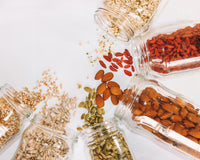
- Setzen Sie auf Grundnahrungsmittel mit einer einzigen Zutat: Hafer, Reis, Linsen, Bohnen, Nüsse, Samen, Obst und Gemüse, Naturjoghurt.
- Kochen Sie etwas mehr von Grund auf. Es muss nicht aufwendig sein; ein Topf Haferbrei oder ein Blech geröstetes Gemüse zählt.
- Seien Sie vorsichtig bei Produkten, die sich als gesund vermarkten. Viele "proteinreiche" und "zuckerarme" Snacks sind immer noch hochverarbeitet.
- Tauschen Sie, statt zu verzichten. Tauschen Sie das aromatisierte Müsli gegen Hafer und Obst, den Snackriegel gegen Nüsse, das kohlensäurehaltige Getränk gegen Sprudelwasser.
Der Ansatz von Whole Food Earth
Das ist die Philosophie hinter allem, was wir führen: echte, einkomponentige Lebensmittel, ohne versteckte Zusätze. Unser Sortiment ist genau auf die Art von Grundnahrungsmitteln ausgerichtet, auf die diese Forschung hinweist: Bio-Getreide, Samen, Nüsse, Hülsenfrüchte, Obst und Pflanzenpulver, die einfach das Lebensmittel selbst sind, getrocknet oder gemahlen und nichts weiter. Sie können jede Zutat lesen, denn es gibt normalerweise nur eine. Gut essen bedeutet nicht, freudlos zu essen; es bedeutet meistens, Lebensmittel zu essen, die noch wie Lebensmittel aussehen.
Die neueste Wissenschaft ist eher ein nützlicher Anstoß als ein Grund zur Panik. Füllen Sie Ihren Teller mit einfachen, vollwertigen Zutaten, halten Sie die stark verarbeiteten Sachen als gelegentlichen Genuss, der sie schon immer sein sollten, und Ihr ganzer Körper, jedes Organ davon, wird davon profitieren.
Hinweis: Dieser Artikel fasst veröffentlichte Forschungsergebnisse zu allgemeinen Informationszwecken zusammen und stellt keine medizinische Beratung dar. Wenn Sie spezifische gesundheitliche Bedenken haben, wenden Sie sich bitte an einen qualifizierten Fachmann.