
In den Gängen moderner Bioläden sind wir darauf konditioniert, das grüne "Bio"-Blatt als ultimatives Gütesiegel zu suchen. Uns wurde beigebracht, dass ein Produkt, das als Bio gekennzeichnet ist, per se gesund ist. Aber bei Whole Food Earth glauben wir, dass es ein viel wichtigeres Wort gibt, auf das Sie achten sollten: Unverarbeitet.
Während der ökologische Landbau ein entscheidender Teil eines nachhaltigen Planeten ist, kann das "Bio"-Label manchmal als "Gesundheits-Heiligenschein" verwendet werden, um Lebensmittel zu verschleiern, denen ihre ernährungsphysiologische Integrität entzogen wurde. Wenn Sie zwischen einem Bio-Produkt, das industriell verarbeitet wurde, und einem konventionellen Produkt in seinem rohen, ganzen Zustand wählen müssen, gewinnt das unverarbeitete Lebensmittel jedes Mal.
Hier ist, warum Unverarbeitet immer Ihre oberste Priorität sein sollte.
1. Die "Bio-Junkfood"-Falle
Die Lebensmittelindustrie hat die Kunst gemeistert, ultra-verarbeitete Lebensmittel (UPFs) durch die Verwendung von Bio-Zutaten gesund erscheinen zu lassen. Sie können jetzt Bio-Tiefkühlpizzen, Bio-Zuckercerealien und Bio-Sprudelgetränke kaufen.
-
Die Realität: Ein organisches Zuckermolekül ist immer noch Zucker. Es lässt Ihren Insulinspiegel genauso schnell ansteigen und entzündet Ihr System genauso schnell wie herkömmlicher Zucker.
-
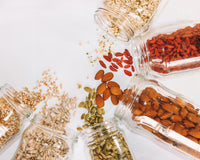
Die Priorität: Eine nicht-biologische, rohe Bio-Mandel ist deutlich besser für Ihren Körper als ein organischer, zuckerüberzogener Mandelcluster, der in verarbeiteten Ölen geröstet und mit Bio-Sirupen glasiert wurde.
2. Bioverfügbarkeit: Die Struktur ist entscheidend
Wenn Lebensmittel verarbeitet werden – selbst wenn sie biologisch sind – wird die physikalische Struktur oft aufgebrochen. Dies verändert, wie Ihr Körper sie aufnimmt.
-
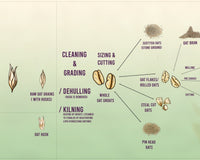
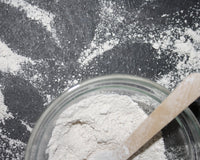
Das Pulver vs. das Ganze: Nehmen Sie Getreide als Beispiel. Ein ganzes, konventionelles Getreide enthält den Keim, die Kleie und den Endosperm. Wenn dieses Getreide zu "Bio-Weißmehl" raffiniert wird, werden die Ballaststoffe und essentielle Mineralien entfernt. Ihr Körper verarbeitet dieses "Bio"-Mehl als einfache Stärke, was zu Energieabstürzen führt.
- Die Null-Interferenz-Regel: Unser konventionelles Kakaopulver 10/12 ist ein Paradebeispiel. Selbst wenn es nicht bio-zertifiziert ist, behält ein Kakaopulver, das nicht "gedutcht" (mit Chemikalien alkalisiert) wurde, mehr seiner natürlichen Flavonoide und Antioxidantien als eine stark verarbeitete "Bio"-Schokolade, die mit Emulgatoren gefüllt ist.
3. Die Additiv-Illusion
Die Bio-Zertifizierung verbietet viele synthetische Zusatzstoffe, aber nicht alle Verarbeitungshilfsmittel. Viele organische verpackte Lebensmittel enthalten immer noch "natürliche Aromen", Verdickungsmittel wie Carrageen oder übermäßiges Salz, um den Geschmacksverlust während der Verarbeitung auszugleichen.
Indem Sie unverarbeitete Lebensmittel wählen, umgehen Sie die Notwendigkeit einer Zutatenliste vollständig. Eine Bio-Sonnengetrocknete Feige benötigt kein organisches Verdickungsmittel oder Konservierungsmittel, da ihre Konservierung das Ergebnis eines natürlichen Prozesses ist: der Verdunstung.
4. Nährstoffdichte: Boden vs. Fabrik
Der Nährwert einer Pflanze stammt aus dem Boden, in dem sie wächst, und dem Mangel an Eingriffen nach der Ernte.
-
Der Boden: Der ökologische Landbau schafft bessere Böden, was wir uneingeschränkt unterstützen.
-
Die Fabrik: Wenn diese nährstoffreiche Bio-Pflanze jedoch dann einer Hochtemperatur-Extrusion, Bleichung oder chemischen Extraktion unterzogen wird, gehen diese Nährstoffe verloren.
-
Das Gleichgewicht: Eine konventionelle, sonnengetrocknete Hibiskusblüte behält wahrscheinlich mehr Vitamin C und Bioflavonoide als ein Hibiskus-aromatisiertes "Wellnessgetränk" in Bio-Qualität, das pasteurisiert und abgefüllt wurde.
5. So ordnen Sie Ihre Lebensmittelwahl ein
Wenn Sie Ihre Gesundheit und Ihr Budget optimieren möchten, folgen Sie dieser Qualitätshierarchie:
-
Der Goldstandard: Unverarbeitet & Bio (z. B. unsere Bio-Kakaobohnen).
-
Die clevere Wahl: Unverarbeitet & Konventionell (z. B. unsere hochwertige Kakaomasse).
-
Der Kompromiss: Verarbeitet & Bio (z. B. Bio-Pasta oder Bio-Gemüsekonserven).
-
Vermeiden: Verarbeitet & Konventionell (z. B. Standard-Supermarkt-Kekse und Snacks).
Das Fazit: Über das Logo hinausblicken
Bio bezieht sich darauf, wie das Lebensmittel angebaut wird; Unverarbeitet bezieht sich darauf, was mit dem Lebensmittel nachdem es das Feld verlassen hat geschieht. Bei Whole Food Earth konzentrieren wir uns auf beides, aber wir werden niemals die "Ganzheit" eines Produkts opfern, nur um einem Trend zu folgen.
Wenn Sie bei uns einkaufen, kaufen Sie nicht nur Bio; Sie kaufen Lebensmittel, die nicht manipuliert wurden. Denn am Ende des Tages erkennt Ihr Körper ein ganzes Lebensmittel, aber kein Marketingetikett.
Priorisieren Sie Ihre Speisekammer. Kaufen Sie aus unserem Sortiment an rohen, unverarbeiteten Grundnahrungsmitteln Whole Foods und spüren Sie den Unterschied, den echte Lebensmittel machen.